Online 5 Love Languages Test for Couples & Kids
What the Framework Means and Why It Still Matters
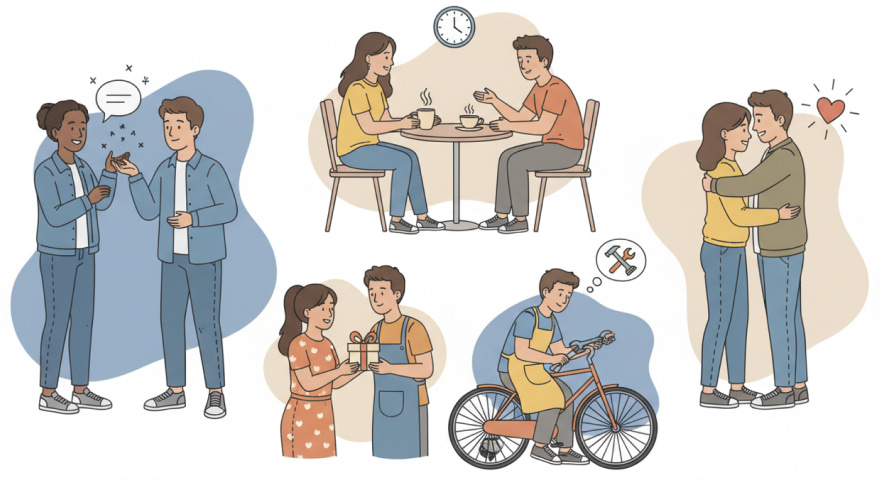
Love often feels intuitive, yet relationships thrive when partners decode how affection is best sent and received. The five-language framework, popularized by counselor and author Gary Chapman, offers a practical lens for understanding these subtle differences. Each language, Words of Affirmation, Acts of Service, Quality Time, Physical Touch, and Receiving Gifts, signifies a unique emotional dial. When we tune the dial correctly, we reduce friction, amplify empathy, and make everyday gestures land with impact. This simple idea transforms into a deep practice when we pay attention to patterns, triggers, and the stories behind how we learned to love.
As you explore this model, you’ll begin noticing surprising insights about your own habits and blind spots. Many people start by using the 5 love languages test, which quickly maps preferences and offers a baseline for conversation. In a world where couples often speak past one another, clarity beats assumptions every time. With that clarity, small adjustments, like a sincere note, a shared walk, or an unasked-for chore, can suddenly feel profound.
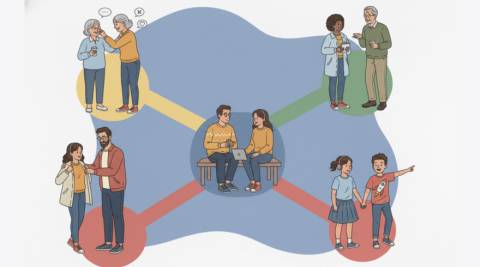
The framework isn’t only for couples, either; it translates beautifully to friendships, families, and even teamwork. For newcomers who want a structured entry point, the 5 love language test functions as an approachable self-inventory that nudges honest reflection. Over time, you’ll notice the difference between what you appreciate and what truly fills your emotional tank. That awareness prevents missed signals and supports rituals that keep connection alive during inevitable stress, change, or distance.
Key Benefits, Backed By Psychology and Real-World Practice
At its core, the methodology bridges emotional intention and observable behavior. When you express affection using a partner’s preferred channel, you minimize misinterpretation and maximize felt safety. Couples frequently report less resentment and more generosity once they trade guesswork for clear signals. Attachment theory helps explain why: secure bonds form when needs are consistently recognized and met. By naming a primary language, and learning a secondary one, partners cultivate a shared vocabulary that turns feedback into growth rather than criticism. This reframing is powerful, because it reinforces collaboration and makes change feel doable.
- Builds a common language for talking about needs without blame.
- Highlights specific behaviors that demonstrate care in everyday life.
- Encourages habit stacking, turning insights into repeatable rituals.
- Supports conflict de-escalation by focusing on actionable requests.
- Improves gratitude practices, enhancing positive sentiment override.
Many people begin skill-building after a quick diagnostic so they can apply insights immediately. For that purpose, the 5 love languages quiz test offers digestible guidance and context that’s easy to share. Rather than staying abstract, the framework turns into micro-habits: scheduling undistracted time, expressing appreciation out loud, or lending a hand before being asked. These moves accumulate into trust, and trust fuels deeper intimacy.
Diversity matters here too, because people blend and shift over time based on culture, upbringing, personality, and season of life. That’s why a nuanced approach like the 5 different love languages test resonates with individuals who want more than a one-size-fits-all answer. Think of it as a compass; you still need to read the terrain, listen, and course-correct. When couples revisit their results periodically, they tend to catch subtle changes and adapt before disconnection widens.
How to Take the Assessment and Turn Results Into Action
Getting started is simple, and clarity often arrives faster than expected. Begin by choosing a reputable questionnaire, set aside quiet time, and answer honestly without overthinking. After you receive your ranking, look beyond the top score and notice close runners-up. Then translate the insights into weekly experiments, evaluating which gestures resonate most. If you’re completing it together, compare results respectfully and identify one small, measurable action each of you can try in the next seven days.
Busy readers sometimes prefer a swift diagnostic that still yields clarity without overload. In that case, a condensed option like the 5 minute love language test can jump-start conversation and reduce procrastination. For deeper exploration, follow up with open-ended dialogue: “When did that action make you feel most cared for?” or “What would make this feel even better?” These questions shift the focus from ranking to practical connection.
- Words of Affirmation, Core Need: Verbal appreciation and encouragement; Everyday Examples: Thank-you notes, sincere compliments, supportive texts; Common Pitfall: Generic praise that feels performative.
- Acts of Service, Core Need: Helpful actions that reduce burden; Everyday Examples: Handling chores, prepping meals, errand runs; Common Pitfall: Doing tasks without confirming what actually helps.
- Quality Time, Core Need: Undivided attention and presence; Everyday Examples: Device-free walks, shared hobbies, weekly check-ins; Common Pitfall: Half-listening while multitasking.
- Physical Touch, Core Need: Comfort through appropriate contact; Everyday Examples: Hugs, hand-holding, cozy couch time; Common Pitfall: Assuming touch is welcome without consent.
- Receiving Gifts, Core Need: Symbolic tokens that show thoughtfulness; Everyday Examples: Small surprises, meaningful mementos, favorite snacks; Common Pitfall: Price over personalization.
Affordability and accessibility matter, especially for those new to the topic. Many reputable platforms host a version similar to the 5 love languages test free, making it easy to try before investing further. After you get results, convert insights into routines you can repeat, think calendar reminders for shared time or a notes app list of encouraging phrases tailored to your partner.
Privacy-conscious users appreciate options that avoid paywalls or mandatory sign-ups yet still deliver helpful guidance. If that’s you, look for resources comparable to the 5 love language test free and pair it with journaling to capture nuanced reflections. Then revisit your notes in a month, celebrating what worked and iterating gently where momentum dipped.
Practical Tips for Couples, Singles, Parents, and Friends
Application beats theory, so treat your results like a roadmap rather than a label. Set small goals, measure progress, and celebrate tiny wins, because consistency compounds. If you’re dating or building a new relationship, share your preferences early and invite curiosity about each other’s daily rhythms. For parents, model healthy expressions so kids learn a broad emotional vocabulary. When conflicts arise, pause and ask which language would best soothe the moment right now, then act on that choice.
Adolescents benefit from a tailored approach that respects their context, autonomy, and evolving identity. For families, introduce a youth-friendly version such as the 5 love languages test for teens to spark constructive conversations about feeling seen. Then co-create simple rituals, a weekly walk, a study-break snack, or a sticky-note of encouragement, that align with their current priorities and schedules.
- Schedule a recurring “connection checkpoint” to discuss what’s working.
- Create a shared list of low-effort gestures aligned with each language.
- Use reminders or habit trackers to make new behaviors stick.
- Translate insights to non-romantic bonds, roommates, siblings, and colleagues.
Coaches and educators often translate findings into classroom or team norms so praise and support match individual needs. Families navigating busy calendars can carve out micro-moments that still feel significant. When focusing on adolescents, consider short, structured check-ins that avoid lectures while respecting boundaries, and fold in tools like the 5 love languages test teens to keep the process accessible. Over time, these practices cultivate resilience and a shared sense of belonging.
Faq: Expert Answers to Common Questions
How accurate is a love languages assessment for real relationships?
Accuracy improves when you treat results as a starting point rather than a verdict. Many couples find that clarity accelerates growth once they test small changes and refine based on feedback. For a broader orientation, some readers begin with the 5 five love languages test and then personalize routines through ongoing conversation.
Can I retake the assessment, and how often should I update my results?
Yes, revisiting your profile is wise after major life changes or every six to twelve months. Priorities shift with stress, parenting, or career transitions, so periodic recalibration keeps your habits aligned. For budget-minded users, tools comparable to the 5 love languages free test make check-ins effortless without adding expense.
Is this framework only for romantic partners, or does it help families and teams?
The model shines in any relationship where trust and communication matter. Parents, friends, and managers can all adapt the ideas, always with consent and context. Results become especially useful when everyone shares examples of what care looks like to them in everyday life.
Where did this concept originate, and who developed the five-language model?
The approach was popularized by author and counselor Gary Chapman, whose counseling work emphasized practical, repeatable behaviors that convey care. Readers seeking additional depth often explore material related to the 5 love language test gary chapman to understand the model’s roots. Historical context helps you apply the ideas flexibly instead of rigidly.
What should I do if my partner’s top language doesn’t come naturally to me?
Start small, because skill develops with practice just like any habit. Choose one tiny behavior you can deliver consistently, then scale up as it becomes more comfortable. Mutual patience, and a willingness to coach each other, turns difference into a growth edge rather than a barrier.